We work with a range of thermoplastic and elastomer materials to make custom parts, available in the colour of your choice. Feel free to contact our team to choose the right material for your project's requirements, whether for thermal, chemical or physical resistance.
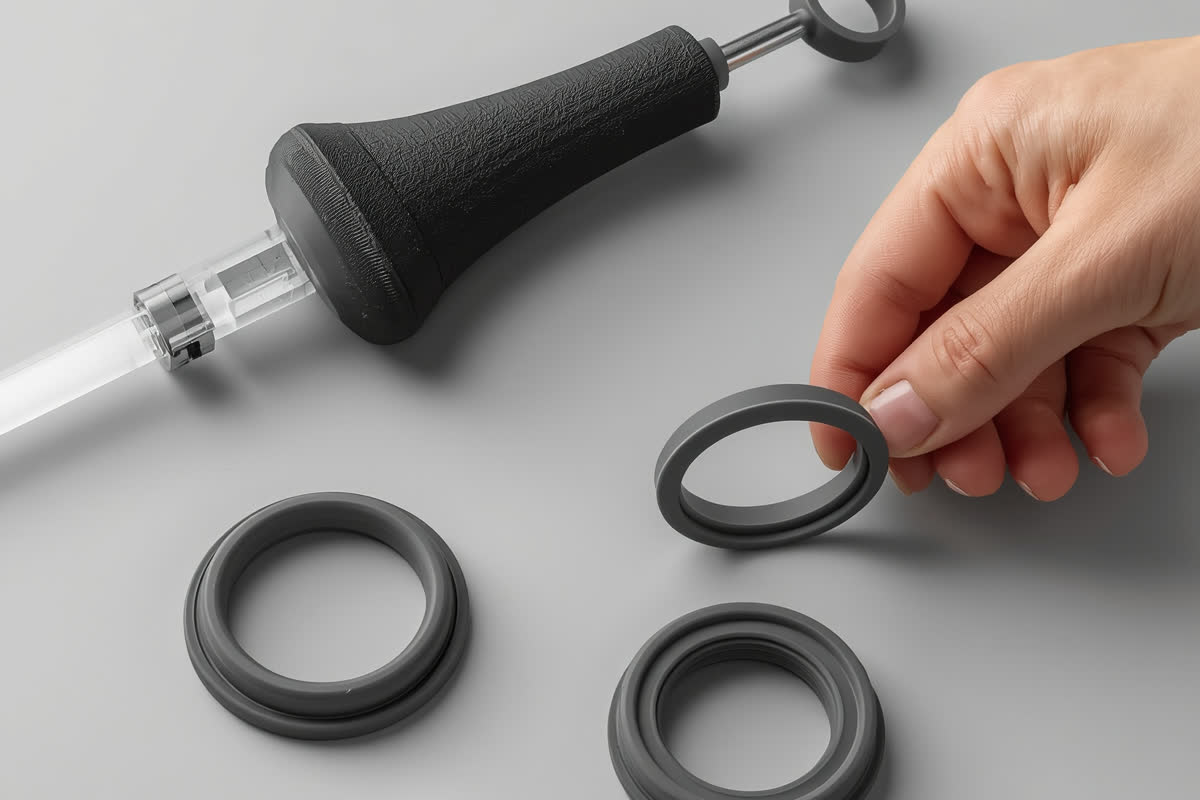
Recycled materials and bio-based plastics
All the thermoplastic materials we use are 100% recyclable. This applies to POM (polyoxymethylene), PA (polyamide), PP (polypropylene), PVC (polyvinyl chloride) and TPE (thermoplastic elastomers).
Learn more about Recycled materials and bio-based plastics →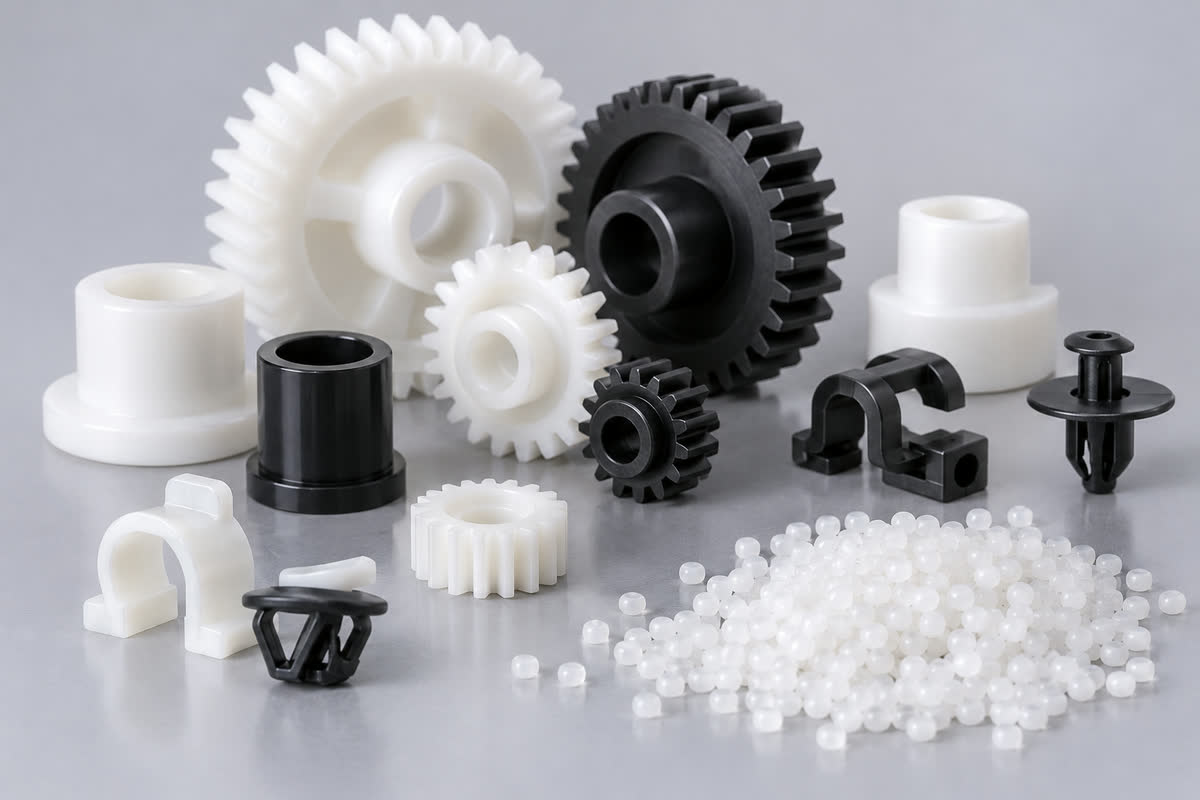
POM (polyoxymethylene)
Polyoxymethylene, also known as acetal or polyformaldehyde, is a polymer from the polyacetal family, developed by DuPont in 1959. It has a semi-crystalline structure and offers excellent resistance to…
Learn more about POM (polyoxymethylene) →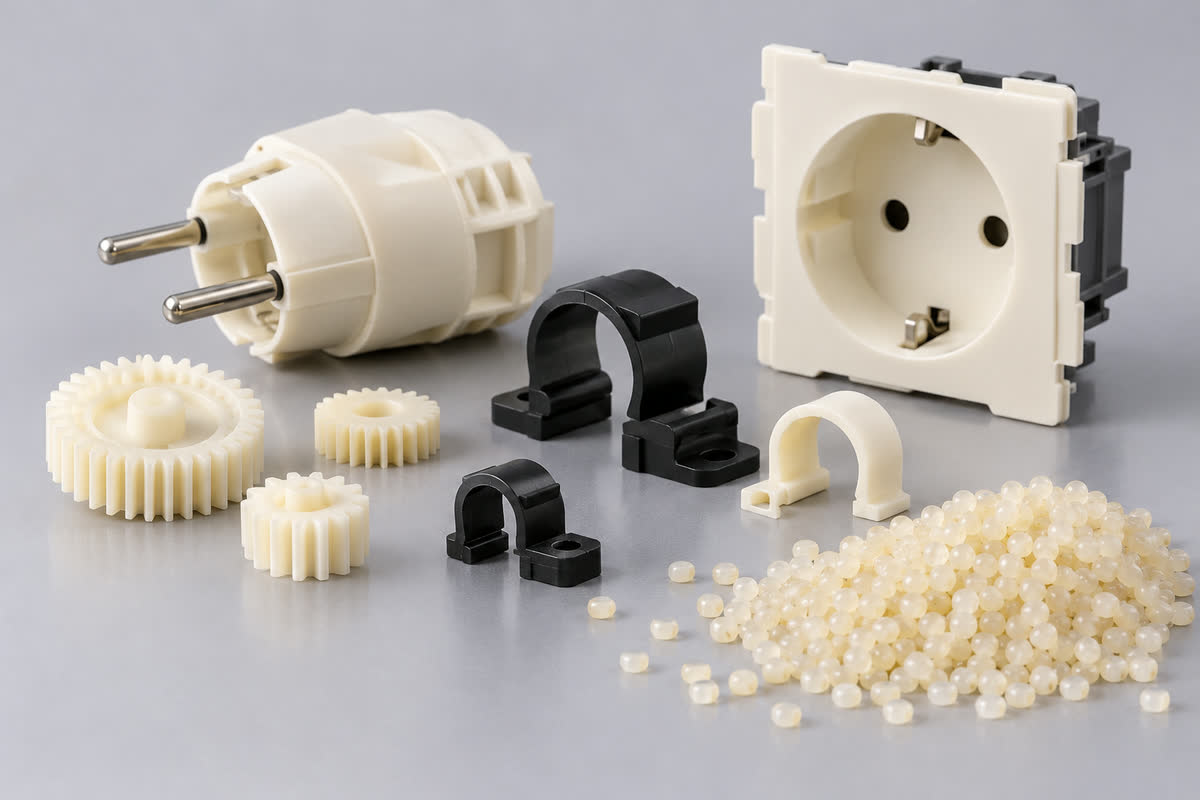
PA (polyamide)
Polyamide, commonly called nylon, is a semi-crystalline polymer discovered in the 1930s. It has many uses in the textile industry, in household appliances and automotive equipment, and in electrical…
Learn more about PA (polyamide) →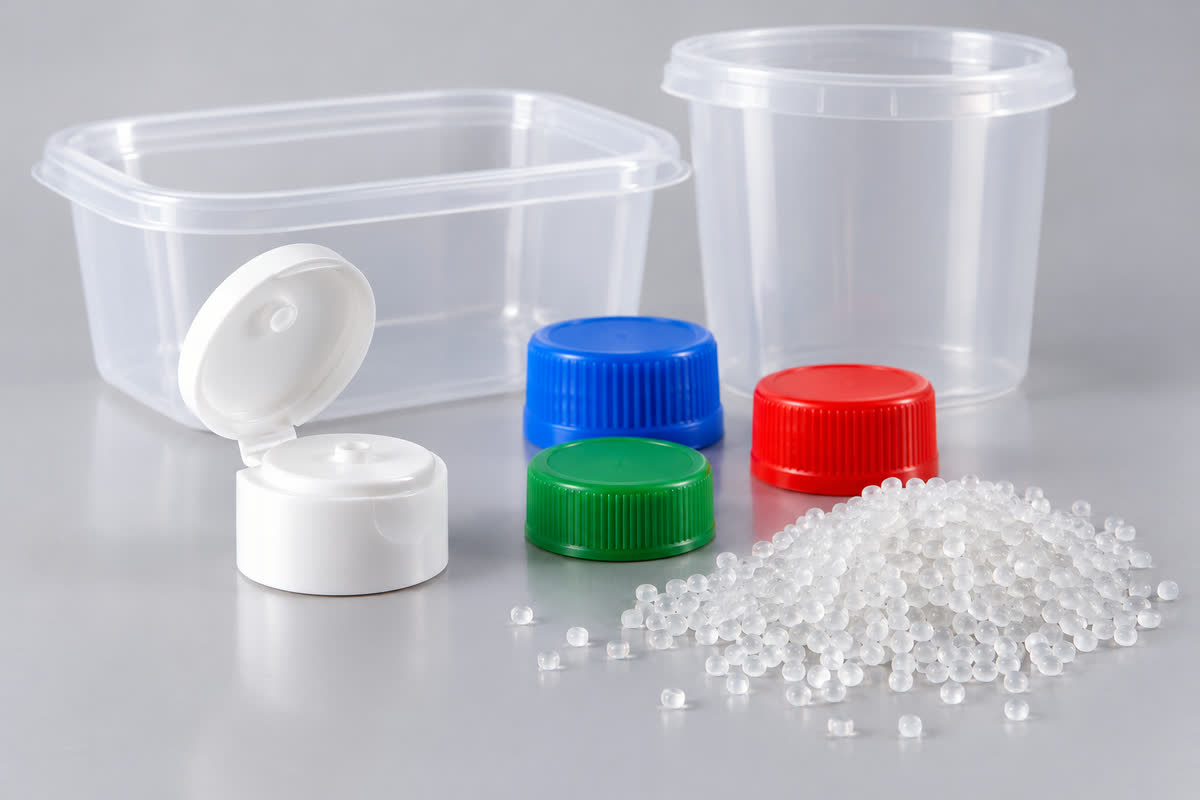
PP (polypropylene)
Polypropylene, also called polypropene, is a polymer with an isotactic crystalline structure discovered in 1954. It is an economical material, notably strong, light, chemically inert and able to…
Learn more about PP (polypropylene) →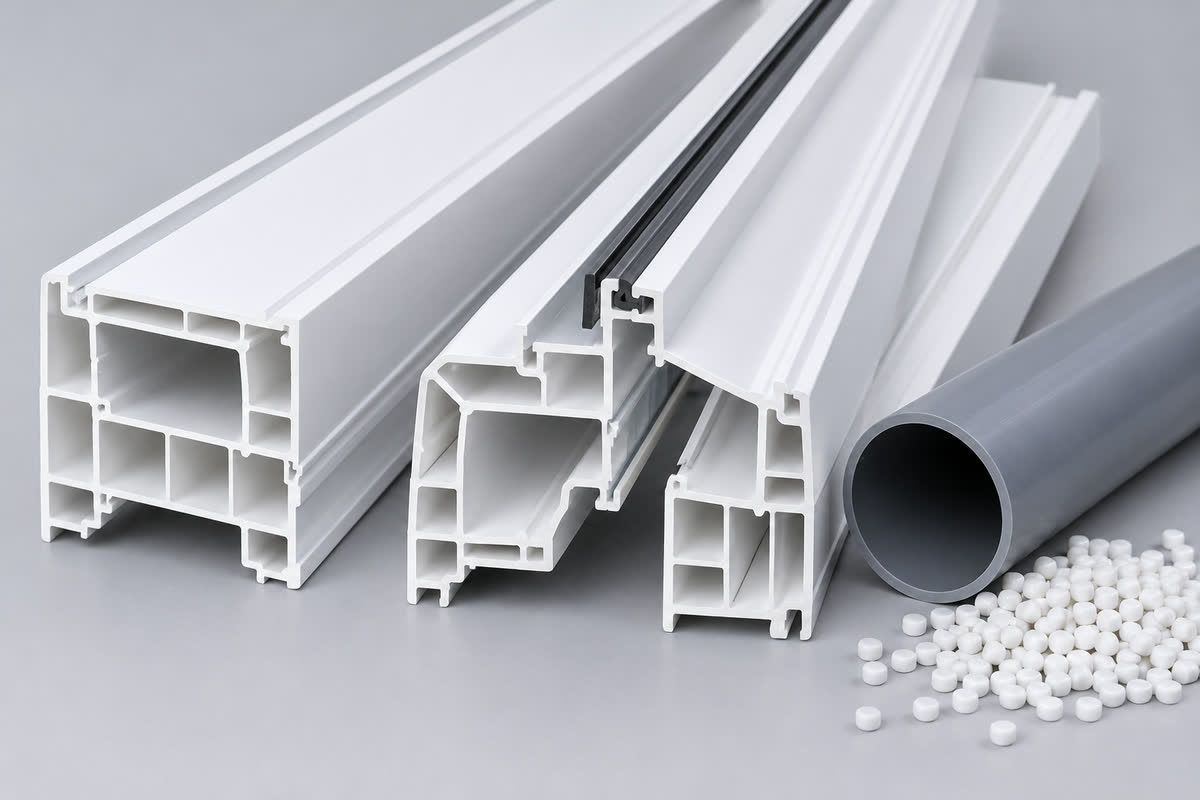
PVC (polyvinyl chloride)
PVC, or polyvinyl chloride, is a thermoplastic polymer made of 57% sea salt and 43% oil, discovered in the 19th century. It resists moisture, chemicals and fire.
Learn more about PVC (polyvinyl chloride) →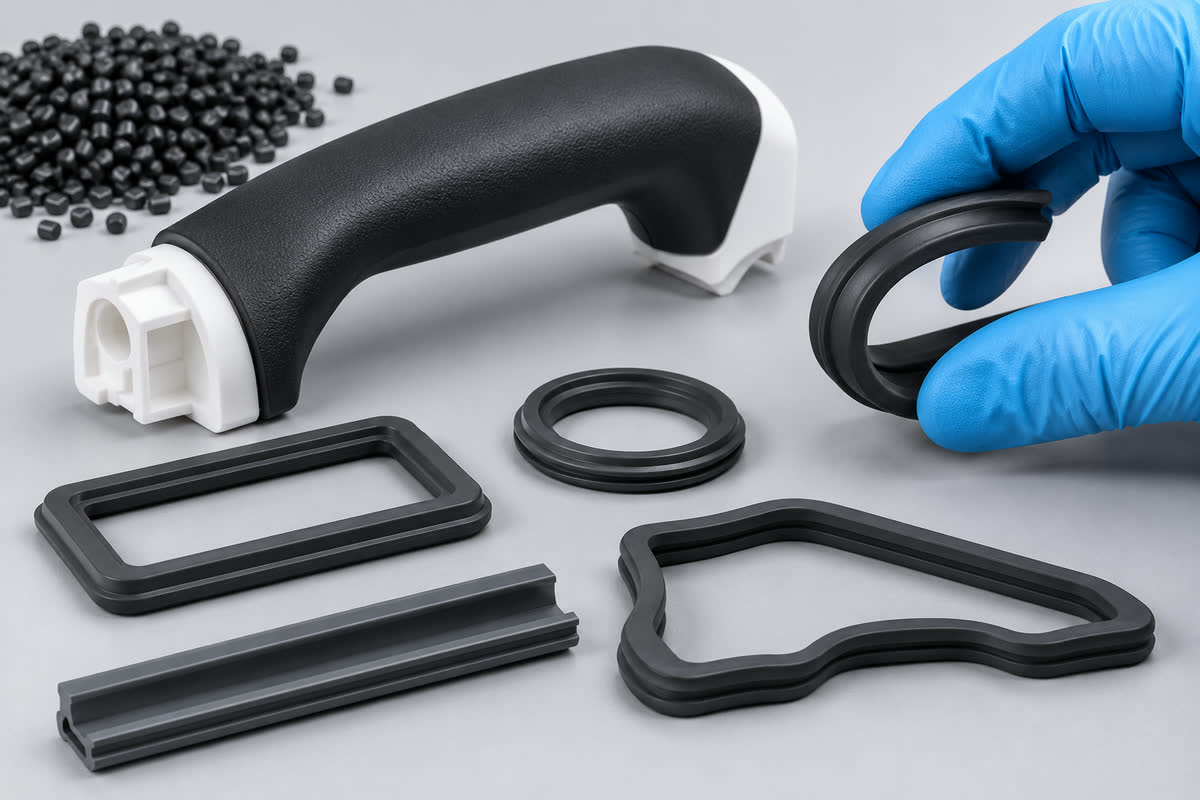
TPE (thermoplastic elastomer)
TPE, short for thermoplastic elastomers (or thermoplastic rubbers), is a generic term for a blend of hard thermoplastic and soft rubbery material. There are several types of TPE, such as TPE-O, TPE-S,…
Learn more about TPE (thermoplastic elastomer) →